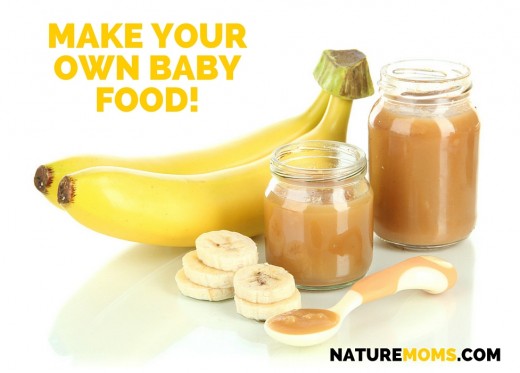
Making your own baby food can sound a bit overwhelming, but with a little planning, it can be a rewarding experience for both you and your baby. Baby food is simply grown up food that’s been smashed or ground up so that the baby can eat it. They can eat what you eat if it is prepared for them. It is much cheaper and healthier than buying up little jars of mystery slop with questionable ingredients that many babies don’t care for anyway.
There are many benefits to making your own baby food. If you’ve looked at the price of baby food lately, you might be surprised at how high it is. Making your own food eliminates that cost and the need to recycle all those little jars. Want organic? If you want your food to be organic and not full of preservatives, you have to pay more at the grocery store. No problem, making your own baby food can be the solution you are looking for.
Most of the equipment you need is probably already in your kitchen. Adding what is missing is not expensive and may actually save you money in the end when you factor in the cost of the commercial food you won’t have to buy.
Things you’ll need:
– Food mill, blender or hand blender (I like the Vita-Mix)
– ice cube trays to freeze extras – Unless you want to cook up food for your child everyday, freezing is the way to go. Instead of having to make new, you can just pop it in the microwave and be ready to go in no time. Ice cube trays are a great way to store food and make convenient portion sizes.
– freezer storage containers
– storage jars or containers
– vegetable steamer – Don’t boil baby food; it takes away nutrients from your baby’s food. You can get an inexpensive steamer that cooks quickly and leaves all the vitamins and minerals your baby needs
– pots, pans, colanders, etc.
A portable baby food grinder will help take the hassle out of eating at a restaurant or at grandma’s. They are inexpensive and easy to use and most restaurants will be happy to bring you a plain baked potato, sweet potato, or steamed veggies. Then you just grind and serve. Easy peasy.
Infants often start out eating cereals and pureed fruits and vegetables. The first step is to wash and skin fruits and vegetables then cut them up into small pieces. This will make them easier to use later. Steaming the veggies makes them soft and easy to smash and retains vitamins and minerals lost in the boiling process. Once you’re done steaming, keep the water. You can add it later to thin out your food to the right consistency. If you’re preparing meat or pasta, just cook it on the stove as normal, but don’t add any oil or spices.
As baby grows, she can eat the same meals as the family, just mashed or pureed to her needs, allowing her to learn the family’s tastes. There won’t be any issues introducing table food to her since the flavors will match what she’s eaten all along, not the flavors of the little jars in the grocery store.
After your food is prepared, pour it into the ice cube trays. Once the cubes are frozen, put them in a separate freezer storage container and put them back into the freezer. When you’re ready to go, just take a baggie out of the freezer and warm it upon the stove; simple as that. I don’t use a microwave but that is an option as well.
Making your own baby food is a rewarding and fun experience. Knowing that you are in control of the product and your baby’s nutrition will make the small hassles worthwhile. You will know EXACTLY what is in the food and that is comforting. When you make your own baby food, you always have options.
Recent Comments