If you're new here, you may want to subscribe to my RSS feed. You can subscribe via RSS reader or email (right). Thanks for visiting!
I recently found out that HarperCollins will be publishing a Green Bible in October. Its purpose is to show that God is green and explains how we can care for and protect God’s creation. According to the Amazon link above, there are over 1,000 references to the earth in the Bible, compared to 490 references to heaven and 530 references to love, so the Bible carries a powerful message about the earth. This Bible is designed to draw attention to each and every reference by highlighting green scriptures in green ink in an effort to bring greater awareness to how this message is woven throughout the Old and New Testaments. It is supposed to help us view it through a “green lens”.
This Bible also has some other unique features like essays from key leaders and thinkers on various aspects of scripture and its mandate for creation care as well as quotes from Christian teachings throughout the ages from St. Augustine to C.S. Lewis.
The book itself is also green . It is printed on environmentally sustainable FSC paper, has a cotton and linen cover, and uses soy-based inks.
So what do you think? Is this just a shameful way to make money off of green or a needed product? Personally I think it is a little of both. The Bible is the number one bestseller right? And green is HOT right now. Of course publishers would love to tie the two together and make some money. BUT in my experience the most hardened global warming skeptics and environmental deniers are religious. No of course this doesn’t apply to all but in my community at least the religious folk are the first to scream scam when it comes to anything environmental. I have heard of preachers who give lectures about denying global warming and staying away from the “religion” of environmentalism. No Impact Man recently posted an email he got from one such person who claimed that God would never allow global warming to occur. I commented on that post if you care to read the comments. Franky it boggles my mind. I have read the Bible several times in my life and got no such message. Maybe this Bible has some possibilities then?
Well regardless I do have a collection of Bibles at home. I started collecting them when I found the version I grew up with had some erroneous translations that completely changed the meaning. I love all the different kinds of Bibles there are and wouldn’t mind having this one either. The cover is lovely. You can preorder them on Amazon.
So what do you think? Shameful or cool? Would you buy it?
La Marguerite wrote an article recently that really resonated with me. I think she accurately hit on an important factoid about the green movement…many people don’t think highly of it. They have snide remarks, they thumb their noses at it, or just veil their distaste for something they perceive to be nothing more than a way of inconveniencing them or guilting them. Green means change, consuming less, and voluntary simplicity and let’s face it, MANY want NO part of it. La Marguerite suggested using the term smart to refer to things instead of green. I totally agree. Many of the greenest products are the smartest too.
Think about it…a hybrid cuts down on fossil fuel usage and dangerous emissions. It is also a cost efficient choice. Solar and wind power might cost more initially but eventually you will save money on those too and stick it to big oil. Reusing and repurposing is frugal and self sufficient. Green is SMART! It seems as logical to me as one plus one equals two.
Frankly I get sick of hearing how green is a new religion. To me it sounds like someone saying that cancer research is a religion. If someone is really passionate about curing cancer would we call them a fanatic or a crazy anti-cancer person? No…we wouldn’t. So why is it that someone who is trying to save or preserve our planet gets a weirdo label? If someone is really passionate about green issues why do they deserve to be called a fanatic? It boggles the mind really because as a species, the earth is one thing EVERYONE has in common. It is our one home. Everyone should be on board with protecting it.
My younger brother is one who is constantly digging at me about my green enthusiasm. He is just one of those people who doesn’t think humans can do any REAL damage. I ask him to define damage…I mean how many animal species are extinct already? Yesterday in my hometown I heard a gentleman say this “If you don’t like gas prices thank those lousy environmentalists!” Yes, us lousy folk want to preserve our planet and make living on it enjoyable for everyone. Lousy would not be the word I would use to describe such a goal.
Of course our goals are impeded by pseudo greenies too. The companies and people who greenwash to make a buck or just make themselves feel better about their not-so green choices. It irritates me when I read articles written by “green” people who say things like well, I know I should do this or that but hey “I am not that person, or that just isn’t my choice”…aka I am not the person who sacrifices for something I am supposed to care about. It sends the movement a step back IMO. And I have been guilty of it myself plenty of times. I often think back to old habits and remember how opposed I was to making changes. At the time I could justify them until the cows came home…things change…you learn, you grow, you change.
Which brings me to green guilt. Lately I have been changing my opinion on that matter. Unlike mommy guilt I am not so sure green guilt is a bad thing.
Guilt is subjective. Are we really being guilted by our peers or are their courageous words and actions simply acting as a mirror for us… a mirror that shows us something we aren’t proud of? My belief is that most cases of green guilt are just that. I hope that green living enthusiasts will never pussy foot around on important issues just to appease people. I really believe that feeling guilt can often be a good thing. After all, if I feel guilty that I use plastic bags at the grocery store I will likely be motivated to ditch them at some point and appease my guilt….that is a GOOD thing. That said don’t let anyone give you crap if your not further along than they are…it is a journey. As long as you keep moving and trying you are doing more than most.
The green movement is about reaching out for social and environmental responsibility, voluntary simplicity, bringing awareness to everyone, concern for others, and courage to do the right thing.
It is about deciding to reduce our footprint for future generations so they aren’t footing our bill later on…to make sure we aren’t writing checks our grandchildren won’t be able to cash. I guess I can see why green living proponents can get so aggressive. I think it is necessary in a climate when so many people can’t be bothered to care. But they are not fanatics…they are passionate about something that technically EVERY human should be passionate about. That’s not green…that’s just smart.
Woot! This week I was named as one of TreeHugger.com’s favorite greens of the week! They are a huge blog (the big daddy of green) with a huge readership so I am honored. You can see their banner with my blog in it at the bottom of this post.
I received a very useful link from a new Twitter friend this week which I think nicely sums up the ways you can reduce waste. I especially like #8.
Vanity Fair has done it again. Another awesome green issue! Last year I wrote all about their feature article which took on anti-global warming liars lobbyists. This year they took on my all time most despised company on this planet…Monsanto. The article was pretty scathing too. Monsanto, for those that don’ t know is a chemical company. They make Round-Up weed killer and they genetically modify (GM) seeds and patent them. The article talks much about how they have a huge network of spies that haunt farmlands to see if anyone is using their seeds without paying for them. They bring lawsuits willy nilly even if there is no proof and seek to bankrupt the farmers guilty or no. They even sue farmers who have had the misfortune of having GM seeds blow onto their land from nearby crops. Let’s not even get into how WRONG it is to be able to patent a seed…a living biological organism that they did not invent and could not replicate even if they tried.
Monsanto is also the company that makes rBST, the growth hormone given to cows to make them produce milk at hyper speed. It is dangerous and unhealthy for the cows and many think it is dangerous for us. In fact these products are banned in Europe. Well, Monsanto is suing companies that advertise that they do NOT use rBST…they don’t think it is fair. They are also going state by state lobbying to get laws passed that ban milk companies from labeling their milk hormone free. This company is EVIL and they control much our country’s food supply. Scary stuff!
I also enjoyed an article from Rachels’ Democracy and Health News about how the attitude that economic growth outweighs environmental harm is biting us in the backside as we have exceeded many of Earth’s ecological limits as of now. This was VERY interesting:
About six months ago, the United Nations Environment Programme’s fourth Global Environmental Outlook Report (GEO-4) concluded that we humans presently require 22 acres per person to support our global average lifestyle — but, the report said, Earth has only 15 acres per person available.
In other words, we have already exceeded the Earth’s “carrying capacity” — it’s capacity to “carry” (or support) 6 billion humans. And the human enterprise is poised for a massive spurt of economic and population growth — expected to raise our numbers to 9 billion by roughly mid-century and to double the size of the human economy every 23 years.
Where I live in rural Ohio I would be rich if I had a nickel for every time I have had someone tell me that my environmental concerns need to take a back seat to economic growth. Talk about short-sighted.
And in unrelated news I am a big fan of Homemaker’s Mentor and just wanted to shout out about their April homemaking lessons. The one on sewing simple curtains for your home is awesome.
Lastly, I wanted to say thanks to all the readers that have been emailing with requests about specific topics. I LOVE that so keep it up. I have many posts coming up that were specifically requested and don’t forget if you ever want to give me a day off and write for me…just contact me.
Have a great weekend everyone! Mine will be spent spring cleaning my 2.5 acres in central Ohio and planting in the garden.
Since Earth Day is coming up soon we are seeing a lot more advice cropping up for parents who want to teach their kids about going green. I read four eco children’s books to my own kids recently and they all got a big thumbs up so I thought I would share them here.
William is Going Green by James Martin II - This story is about a garbage truck named William who lives in a big city collecting garbage. He is largely unappreciated by the people who live in his city and he gets laid off when the city folk complain about how badly he pollutes the air. So William sets of to find another job and he ends up in Jamestown, a tranquil city that has “gone green”. The garbage service company there is happy to hire him but they tell him he must get a clean hybrid engine though. William can’t afford to get a new engine so he is just about to leave and try another city when circumstances give him the opportunity to be come to the aid of one of Jamestown’s smallest residents and he finds a way to get that engine and begin his own mission to go green and fight global warming. My kids really liked the story…especially my 7 year old son who LOVES garbage trucks. It is wonderfully illustrated too….the colors just pop off the page.
Interestingly the author was inspired to write this book not long after his own journey to greener living began when he made a big environmental boo-boo and was fined by the city.
My Bag and Me by Karen Farmer - This one was adorable and perfect for kids in the 4-6 years old range. It follows the activities of a little boy who has his own shopping bag. He talks about how he and his bag are helping to save the environment and he and his mom takes their very own reusable bags to the supermarket and say NO to paper and plastic. Once again the illustrations are top notch. My 4 year old daughter was completely absorbed in this book and she was just beside herself when a hidden compartment in the back of the book revealed a small shopping bag just like the one the little boy in the story had. She has been carrying it everywhere and calls it her “earth bag”. :) The book is 100% recyclable.
Knut - How One Little Polar Bear Captivated the World by Juliana, Isabella, and Craig Hatkoff - Is there anyone not familiar with the adorable polar bear from the Berlin Zoo named Knut? Well, this lengthy story follows his life from birth and it is documented with amazing full color photos. This book was a bit too long and wordy for my 4 year old but perfect for my 7 year old boy. Both got a few good chuckles out of the pictures, especially the one where Knut is playing in the mud or chewing a shoe. The last part of the book talks about the habits and lives of polar bears in the wild and how they are being threatened by climate crisis and of course it gives a few ideas for how kids can get involved in changing things for the better.
Michael Recycle by Ellie Bethel - This story is about the town of Aberdoo-Rimey where garbage was left to grow rotten and slimy. The town has a serious problem with garbage build-up and littering so the green caped crusader Michael Recycle must come to their aid and teach them how to clean up their act. They get inventive with recycling, water conservation, gardening, and composting so that once their town looks and smells fresh and inviting. The illustrations were killer….absolutely fantastic. Both of my older kids loved this book.
I sat down to read this book one lazy morning thinking it would be a good book about consumers making conscious shopping choices to better the world. Boy was I way off base. The book is Shopping Our Way to Safety - How We Changed from Protecting the Environment to Protecting Ourselvesby Andrew Szasz. Basically it delves into a very deep explanation of why consumers buying “green” and “safe” products (voting with their dollars) are only helping themselves…not the environment and not society in general. In fact Szasz explains that this consumer action could have dire consequences…and here we thought we were just doing right by our families and our planet.
He starts off by describing the culture of fear we live in. We are afraid of our tainted water supply, we are afraid of pesticides in our food, we are afraid of chemicals in our shampoo and in our deodorant, we are afraid of getting cancer from the sun or even our sunscreen, etc. He doesn’t dispute this…we do in fact live with many personal and environmental health threats. Indoor air is toxic thanks to conventional cleaners and VOCs and outdoor air is toxic thanks to exhaust emissions and particulates in the air.
So….consumers in an effort to protect their families and their bodies started buying filtered water, organic foods, green cleaners, non-toxic baby toys, and natural personal care products. I have always considered this to be a good thing..as we send a message to the greedy corporations that are poisoning us…that we don’t want their crappy products. It worked too. Green and natural are becoming more mainstream and popular with each passing year. So we did something right, yes?
According to Szasz the answer is not exactly yes. In fact he likens this phenomena to those that let fear prompt them to desert urban areas to live in gated communities, or to desert public schools when things get bad to homeschool or charter school instead. Taking these actions doesn’t address the problem and it doesn’t fix it… and since many of those in our larger community might not have the options and choices we do…they are stuck in the broken system and we are happy to leave them there as long as our needs are met.
Ouch! I was getting exceedingly uncomfortable with this book after I read the intro chapter but I just had to see where he took it and if his back up arguments made any sense…frankly I was afraid to find out. In nothing else, kudos to Andrew Szasz for challenging me and making me really think.
He starts off by explaining how this whole green consumerism and shopping phenomena is actually reverse quarantine. Instead of keeping the small element of bad away from the larger population of good via quarantine we are reverse quarantining ourselves….seeking to isolate ourselves from what we consider a large, toxic world.
He then goes on to compare this reverse quarantine concept with the Fallout Shelter Panic of 1961. I was not so familiar with this era of history but basically he describes how relations between the US and Russia were on a melt down and President Kennedy told the American people to prepare for nuclear war. Well, this motivated some companies to start selling bomb shelters and the media decided to dumb down the true consequences of such a war by letting people think a bomb shelter really would save them and that after 15 days they could emerge from their shelters unscathed. Yes, it would be horrible and many people would die but we would make it…we could “take it”. We know what a crock that was….but corporations and the media at large had a different story to tell….no doubt motivated my money. Sound familiar anyone….ahem…global warming????
Anyway, Szasz agrees that this example is flawed because the threat did die down after a few short years and while thousand upon thousands of bomb shelter were built in the name of false safety….we avoided not only the nuclear war we also avoided the consequences that the whole bomb shelter fiasco in itself could have created.
Had the threat NOT subsided and Americans had continued with their bomb shelter buying there would have been disastrous consequences.
First, people would have had a false sense of security. Bomb shelters were nothing but a cruel illusion. Szasz goes on to explain how unlikely it would have been that people would have survived in tiny bomb shelters with little water and food, no waste disposal, no fresh air, and no room to move, etc. IF they could have survived and then emerged after the 15 “safe zone” the media was touting there lives would be fine right? Uh…no. No one was prepared for what things would REALLY be like….heck the media was telling people you could just wash radio active particles off in the shower and you would be fine. No mention of the fact that it might likely be some forty years before you grow anything edible in the soils contaminated by fallout. This book goes on to explain what the REAL aftermath of a nuclear war would be and how bomb shelters were just silliness. Gerald Piel, publisher of Scientific American said it was “dangerous illusion”. They were an imaginary refuge.
Second, shelter building would have increased the likelihood of war. If all Americans were off building their shelters and preparing for war then the American government would have felt more freedom to take hard line foreign policies and be less open to working things out. It is highly probable that our government would have seen its people as being open and accepting of war and then been unyielding to Russia, likening the chances for war. Also, if Russia became aware that most Americans were prepped and ready for war what would have stopped them from making that first strike to try and catch as many of unawares as possible?
Szasz makes the case that our frenzy for self preservation could have had disastrous consequences. Building a bomb shelter seemed like a way to protect themselves and their families but it was all an illusion that distracted them and they took their eye off the ball. What they should have been doing was joining together to protest nuclear war…not preparing for it. Even if they lived thanks to their trusty bomb shelter what would happen to all the people who didn’t own homes or who didn’t have the money to build shelters? They would have been sacrificed.
So are we doing the same thing now? If we are in fact facing an environmental crisis are we “shopping” ourselves into false security? Are we listening to media spin that we can “take it” and avoid the issue perhaps by changing a few light bulbs and buying a few green cleaners…taking our eye off the ball?
Next, Szasz explains what we can learn from another case of inverted quarantine…suburban sprawl and how the growth of the suburbs in the name of security has caused us to abandon thoughts of urban reform and how this whole trend has had some disastrous results on our cities and on our people.
The next few chapters go into all the dangerous things we are exposed too and how they are a direct consequence of the way we live our lives. He explores the dangers in water, food, and air specifically and then goes into how the inverted quarantine of bottled water, organic food, and natural products may or may actually protect us. I found myself agreeing with him. Bottleed water is way overrated, organic food does protect us quite a bit but not completely, and many “natural” products are just the same old crap with a “green” label. A person would have to cover all the bases so to speak to get the protection their after too. Organic food is nullified if you are bathing in chemicals.
He also discusses how the bottle water trend is very harmful to the environment and how we should be lobbying for our government to clean up public water sources for every one. He has a harder time using this same logic for organic food because eating organic is political for many…they are trying to influence the way food is produced for every ones benefit. Szasz has an issue with those eating organic ONLY for health though and feels as though without them coming over to the other side the organic movement will not sustain its growth and actually change anything. When we are not doing things for the right reasons we become anesthetized politically. Szasz says that those going green for their health (their air, water, food) will never be motivated to help anyone but themselves basically.
What is boils down to is this..support for the environment and true change is wide but thin. We want change….but overall most people are not willing to do something substantial to to create change. Is buying up “green” products resignation that things can’t change? Szasz believes that mass refusal of green products would open the door for REAL solutions. He believes that the anti-inverted quarantine side won out in the bomb shelter scare as the majority stood up and said NO to nuclear war and no to a fake “fix”. He feels that people who can afford to protect themselves with “green” products are not as safe as they think AND they shop instead of use their voice to affect change…regulations don’t change and the market doesn’t change. He sites the ozone layer problem as an example. People were not willing to hide indoors or slather themselves with “ozone safe” sunscreen forever more…they spoke out and regulations went into place to change our impact on the ozone layer.
Overall I think the book made some excellent points and drew some valid parallels. I appreciate that he did see the political benefit of eating organic foods…he just feels that not nearly enough people are motivated to eat organic for what he considers the right reasons…political reasons. I agree with him there but I as someone who eats organic and lives green for health and for politics I won’t be refusing organic food and getting rid of my air purifiers any time soon. That to me seems like shooting myself in the foot to make a point. I might get my message across but heck if I didn’t just shoot myself. There is no reason we can’t have it both ways. It comes down to education. We also can’t forget to be activists too.
We need to ask… what have I done lately (besides shop) for a cleaner, greener, healthier world? If we struggle for an answer then perhaps Szasz is right in a way I am not yet willing to accept.
When I got an email from Mike Adams over at NaturalNews.com about a special report available on his site called “Seven Words that Can Change the World”, I was skeptical. It sounds full of hype but I decided to read it anyway. I was very pleasantly surprised to find that I enjoyed it. It really is a remarkable book/report from Joseph R. Simonetta, a master architect with a master of divinity degree from Harvard. He made some excellent points about why the political system will never change things, why the greed of some is ruining our health, happiness, and planet, and why most organized religion as we know it is failing us as a society. The book is full of simple truths and simple answers….seven really simple words that can change the world.
You can read it online here. If you do come on back and let me know what you thought.
1. Less garbage - I want to reduce the amount of garbage that leaves my curb on Wednesdays. I even want to reduce the amount of recycled goods that leave my home too. I want less waste overall!
2. Reduce the amount of “stuff” I buy. Use it Up - Wear it Out - Make it Do - Or Do Without! This will also help me with a personal goal to save more money…
3. I resolve to grow a HUGE amount of my own food this year.
4. I reslove to eat more local foods overall….from my garden, from farmer’s markets, CSAs, etc. I need to make the most of spring/summer/fall foods because eating raw/local in the winter is a bitch.
5. I want to conserve…money, water, energy…I want to be sparing with my resources and I have quite a few concrete ideas about how to do this that I will share in the upcoming year.
So what about you? What are your green resolutions? Share in the comments below or link to your own post with Mr. Linky below:
Also…make sure to check out my Green New Year’s Resolutions video and show it to your own blog readers:
TGIF! I hope everyone enjoyed themselves over the holidays!
The winner of this week’s giveaway, the Natural Spa package, according to random.org is commenter #8, Lace. Congrats Lace! I hope you enjoy the soap, lotion, and candle all made of luxury spa quality ingredients.
In other news, here are few cool links for your Friday reading leisure:
I am gathering up info on eco friendly cars and solutions and today I came across a story on AutoBlogGreen about one man’s quest for better gas mileage, which lead him to revamp his Honda Civic. Okay, the car is rather ugly after all was said and done but this baby gets 95 MPG!!!! Please sign my car up for uglification please!
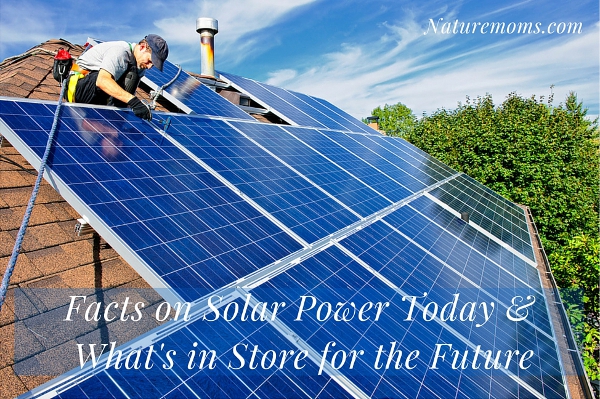
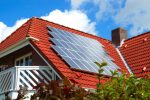
I also found an interesting story about how the Amish a few counties away from me are generating electricity via photovoltaic solar panels. That is pretty darn cool and now I have another reason to plan a spring/summer Amish country tour….to find out who their solar contractors are.
I joined three new social networking communities that might be of interest to other green/natural/alternative types. Give it to Me Raw is a brand spanking new site for people that like raw food. So far I can see that the people are awesome and friendly and they have some great groups like the one for writers and the one for eco entrepreneurs.
The second is Zaadz. This site has been around for awhile but it has just been acquired by Gaia, which is how I learned of it. Basically this site is for people who want to change the world. Pretty good goal if I do say so myself. I love their optional newsletters and daily quotes like their daily Taoism and Buddhism quotes. Today’s Buddhism quote was this:
Everyday, think as you wake up, today I am fortunate to be alive, I have a precious human life, I am not going to waste it. I am going to use all my energies to develop myself, to expand my heart out to others; to achieve enlightenment for the benefit of all beings. I am going to have kind thoughts towards others, I am not going to get angry or think badly about others. I am going to benefit others as much as I can. - Dalai Lama
Freeconomy allows people to make the transition from a money based community-less society to more of a community based moneyless society, and to share the land they don’t need or can’t use to facilitate a local food community. It’s about helping others and providing an opportunity for others to help you.
For those that garden, the next month or so might be spent deciding what you will grow and ordering seeds. I am already pouring through catalogs and looking at heirloom fruits and veggies to grow…yum. Some great places to look and order are Seeds of Change and Territorial Seed. Things on my list include tomatoes, pumpkins, blue moon and stars watermelons, tiger melons, cukes, gourds, etc. I am also going to order some sunflowers and morning glories to make a Sunflower House as demonstrated in the wonderful book Sunflower Houses : Inspiration from the Garden - A Book for Children and Their Grown-Ups. There is nothing more dreamy than planning a children’s garden.
Lastly, I stumbled upon a natural cleaner recipe that sounds pretty good at TipNut (love that blog) Homemade Rosemary Wood Cleaner. Enjoy!
I am getting lots of great questions lately submitted via email. I usually just hit the reply button and give a quickie response but I will try harder to address questions on the blog just in case other people are wondering.
Janelle, who asked about what I use to store food in besides plastic last week, emailed again to know what I use in my freezer instead of plastic containers or plastic baggies. She was primarily concerned about storing leftovers in the freezer. That is a great question Janelle, unfortunately the answer is not as easy as the first one.
I do not usually store leftovers in the freezer. In fact I “almost” never do. If I have leftovers from dinner time they go in glass containers in the regular frig to be used as lunch for the next day. I am not big on making huge dinners to spread out through the week or month as some moms are. I think it is great that some moms do that…it is just not something I do. On rare occasions when I do have something leftover I want to store I will use a plastic storage container. This is what I use for garden produce like loose berries, that I want to freeze. If I can get away with it, I will wrap stuff in paper (like the brown kind you wrap packages in) and then compost the paper afterwards. You have to be willing to accept freezer burn though. I have also put Wrap-N-Mats in the freezer with food wrapped in it.
Jennifer also submitted a good question. She asked me if I buy foods packaged in plastic. I try to avoid buying processed or packaged foods but there will always be times when there just isn’t an alternative. Milk, as Jennifer mentioned, is one of those items that has few alternatives. There is no milk, organic or otherwise, sold in glass containers where I live. They are sold in plastic jugs or plastic/paper cartons. Even the raw milk I have bought comes in a plastic jug and the company wasn’t willing to to use glass or even reuse jugs due to contamination issues. With all the hysteria around raw milk I can’t say that I blame them. So what do I do? I buy organic milk in less than favorable containers because my youngest likes milk. However, I don’t drink milk and neither do my other two kids so when my youngest child decides to give up his milk we just won’t buy it anymore. I would make an exception for raw milk though, because I love that stuff.
As for other foods packaged in plastic….
I usually buy cheese from Whole Foods wrapped in plastic but cheese lasts a long while in our house. I do buy frozen fruit for smoothies and they come in big plastic bags. Sometimes I buy cereal that is wrapped in plastic. So I guess the answer is that I try to avoid plastic if I can but I have not eliminated it completely. The more raw I go with my diet the less plastic I seem to use and of course packaging should always be considered when making any purchase. I would love to hear how other people have tackled this tough issue!
Jennifer also asked me about big gatherings in the home and what I use if I don’t have enough plates and glasses for everyone. Do I use plastic, Styrofoam?
Actually I don’t have a problem in this regard. I could invite 100 people to my house and easily be able to scrounge up enough plates and glasses….seriously. I think I even have enough eating utensils. Family china sets, yard sales finds, boxes of inherited flatware, etc mean I would have more than enough plates and glasses. The picture of our china cabinet in the dining room (below) gives a small sampling. There is an absolute ton of Currier & Ives dishware (above).
What I suggest Jennifer, if you do not have enough dinnerware is to pick some up at yard sales, garage sales, and estate sales. Estate sales especially are a good place to pick up complete sets of China, flatware, and linen napkins for low prices. Even mismatched dinnerware would look better than paper or Styrofoam and it would be much more eco friendly. If this is not feasible either you may consider asking your guests to bring their own tableware. There is a green parents meetup in my area that does this.
I “hope” I have answered these questions sufficiently but I would LOVE to hear from others about how they would answer these questions…so speak up and share the knowledge!
Welcome! Here you will find the random thoughts and experiences of a mom trying to live a more natural family life, for health and for the planet. Enjoy! Also, feel free to e-mail me or Tweet with me